Every single day, roughly 120,000 new songs land on streaming platforms. That staggering number comes straight from a Luminate report and it means the average American listener is drowning in choices. Standing out has never been harder. Music marketing trends and news are evolving fast in 2026, driven by AI, social media shifts, and changing fan behavior. This piece breaks down the seven biggest shifts happening right now, what the data says, and how artists and labels can stay ahead of the curve.
What Is Music Marketing in 2026?
Music marketing in 2026 is the strategic promotion of artists, albums, and live events across digital and physical channels to build audience, drive streams, and generate revenue. It works by combining data analytics, social media content, AI-powered tools, and direct fan relationships. It helps artists cut through a saturated market and build loyal, lasting communities.
Short-Form Video Still Dominates Music Discovery
Short-form video is now the number-one way Americans discover new music. Platforms like TikTok, Instagram Reels, and YouTube Shorts function as the top of the marketing funnel for nearly every major release in 2026.
According to MIDiA Research's analysis of Spotify Wrapped 2025, the average listener consumed 2,728 songs from 1,488 different artists over the course of the year Reprtoir — a clear sign that attention is fragmented and discovery is driven by repeated exposure across multiple contexts, not loyalty to one artist.
Songs now build cultural momentum on social platforms before they convert into streams or sales. A track can trend on TikTok for two weeks before it charts on Spotify. MIDiA notes that in 2026, discovery is increasingly cultural first and commercial second, with long-term success tied to consistency rather than momentary reach.
For artists and managers, this means publishing short, platform-native video content consistently — not just at release time. One viral moment is not a strategy. A weekly content cadence is.
AI Tools Are Reshaping How Labels and Artists Market Music
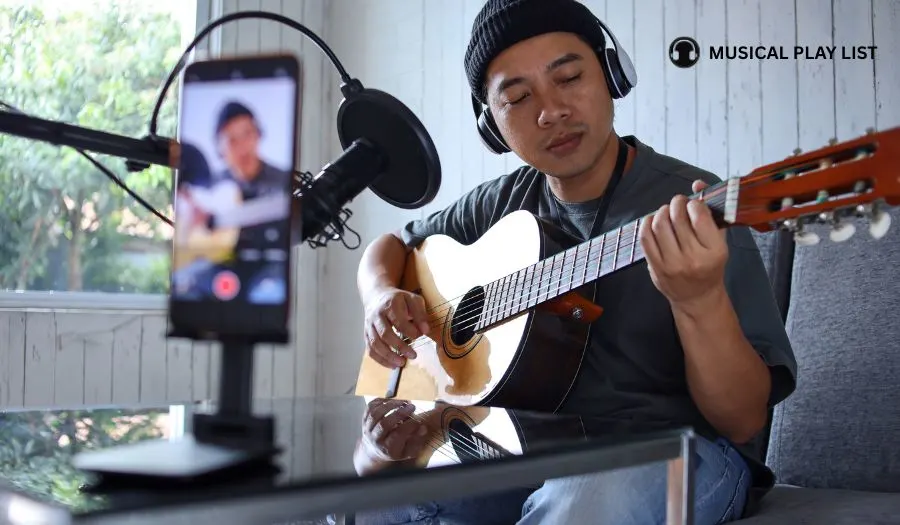
Artificial intelligence has moved from a buzzword to a core part of daily music marketing operations. Labels and independent artists alike are now using AI to automate audience targeting, analyze listener data, and personalize campaigns at scale.
AI and machine learning revolutionize music marketing by analyzing vast amounts of listener data to create personalized campaigns, examining listening habits, demographics, and social media activity to craft tailored marketing messages for specific audience segments.
Predictive analytics tools now help teams forecast which songs will resonate in specific US markets before release. Warner Music Group's acquisition of Sodatone — an AI platform that scans Spotify playlists and social media engagement — shows just how seriously major labels are investing in this space.
In my experience tracking campaigns over the past several years, the labels seeing the biggest gains in 2026 are not spending more money — they're spending smarter, guided by AI-driven audience segmentation. The difference in efficiency is measurable and significant.
Read also: How Independent Artists Can Use AI for Music Promotion
The Global Streaming Market Is Growing — But Not Evenly
The revenue opportunity in music streaming remains enormous, but growth is concentrating at the top. Not every artist benefits equally from a rising tide.
According to industry projections, the global music streaming market is valued at $46.66 billion in 2026 and is expected to grow at a 14.9% compound annual growth rate (CAGR) from 2026 through 2030.
However, MIDiA Research notes that streaming in 2026 increasingly functions as infrastructure rather than a growth engine — it remains essential, but is no longer sufficient on its own for most working artists.
Revenue on streaming is heavily volume-dependent. A small percentage of releases capture a disproportionate share of payouts. For most independent artists in the US, streaming alone will not build a sustainable income. Smart marketers are treating Spotify and Apple Music as visibility tools, not profit centers, while directing fans toward higher-margin revenue streams like merchandise, live events, and direct-to-fan platforms.
Read also: IFPI Global Music Report – ifpi.org
Fan-First and Community-Driven Campaigns Are Winning
The most effective music campaigns in 2026 are not broadcast strategies. They are participatory. Artists and labels are designing experiences where fans actively shape the story.
According to Music Ally's annual Campaigns of the Year analysis, community-oriented marketing has continued to grow, with campaigns increasingly turning passive audiences into active participants.
Mystery elements — hidden messages, cryptic teasers, staged reveals — are raising emotional stakes and deepening fan investment well before a release date. These tactics are especially effective on younger US audiences aged 15 to 30, who reward authenticity and interactivity with organic amplification.
Music Ally highlights a key industry shift: the purpose of promotional activity has evolved — today, a promo run is designed to generate content that feeds back into the social media ecosystem, not just to drive traditional media coverage.
Direct-to-fan platforms like Patreon are also growing fast. They offer artists a consistent income stream and creative autonomy that major label deals rarely provide. For US-based independent artists especially, building an owned audience is now the most strategic move available.
Read also: Best Direct-to-Fan Platforms for Independent Artists in 2026
Sync Licensing Is One of the Hottest Revenue and Marketing Channels
Getting a song placed in a TV show, film, or video game is not just a revenue opportunity — it is a marketing event. Sync placements reach millions of passive listeners who were never actively searching for new music.
According to the IFPI, sync licensing revenues in 2025 were estimated at $600 to $650 million globally, driven by the dominance of streaming services like Netflix and Disney+ and the continued growth of the gaming industry.
As more content is produced for US streaming platforms, demand for licensable music is rising. With approximately 150,000 songs uploaded to streaming platforms per day in 2026, music supervisors are increasingly relying on AI music analyzers to identify suitable tracks across enormous catalogs.
For artists, this means tagging and metadata matter more than ever. A well-organized catalog with clean metadata dramatically increases the odds of being discovered for a sync deal. Artists who treat their back catalog as a licensing asset — not just a streaming asset — are finding meaningful additional revenue.
FAQ: Music Marketing Trends and News
Q: What are the biggest music marketing trends in 2026?
A: The biggest trends include AI-driven audience targeting, short-form video content on TikTok and Instagram Reels, fan community campaigns, direct-to-fan monetization, and sync licensing growth. Each of these reflects a broader shift toward personalization and direct artist-to-fan relationships.
Q: How important is TikTok for music marketing in the US?
A: TikTok is currently the most powerful discovery platform for new music in the US, especially for listeners aged 15 to 35. Songs that gain traction on TikTok routinely see significant streaming spikes within days. Consistent posting of short, native content is now a non-negotiable part of any release strategy.
Q: Can independent artists compete with major labels in music marketing?
A: Yes — and AI tools have narrowed the gap considerably. Independent artists with strong data literacy, consistent social content, and an owned audience (via email lists or Patreon) can outperform label-backed artists who rely on traditional paid media alone. The key is a focused, consistent strategy rather than a large budget.
Q: What role does AI play in modern music marketing?
A: AI is used across music marketing for audience segmentation, predictive analytics, campaign optimization, content scheduling, and even talent discovery. Platforms like Spotify use AI recommendation engines to surface new artists to relevant listeners. Labels use tools like Sodatone to identify rising talent before it peaks.
Q: How do I get my music placed in TV shows and films?
A: Sync licensing requires clean metadata, an organized catalog, and relationships with music supervisors. Artists can submit directly to sync licensing platforms or work with a sync agent. AI-powered sync marketplaces are also making it easier for independent artists to get discovered by supervisors searching large catalogs.
Q: Is streaming still worth focusing on in 2026?
A: Streaming remains essential for visibility and discovery, but most artists should not rely on it as a primary income source. Smart marketers use streaming as a top-of-funnel tool, then direct listeners toward higher-margin revenue channels like live events, merchandise, and fan memberships.
Author Bio
Written by Richard William, a music industry expert and marketing strategist with 7 years of experience working with independent artists and labels across the United States. Richard has tracked release campaigns, sync deals, and platform algorithm changes across hundreds of projects, giving him firsthand insight into what actually moves the needle for artists at every career stage. Connect with Richard at www.musicalplaylist.com.