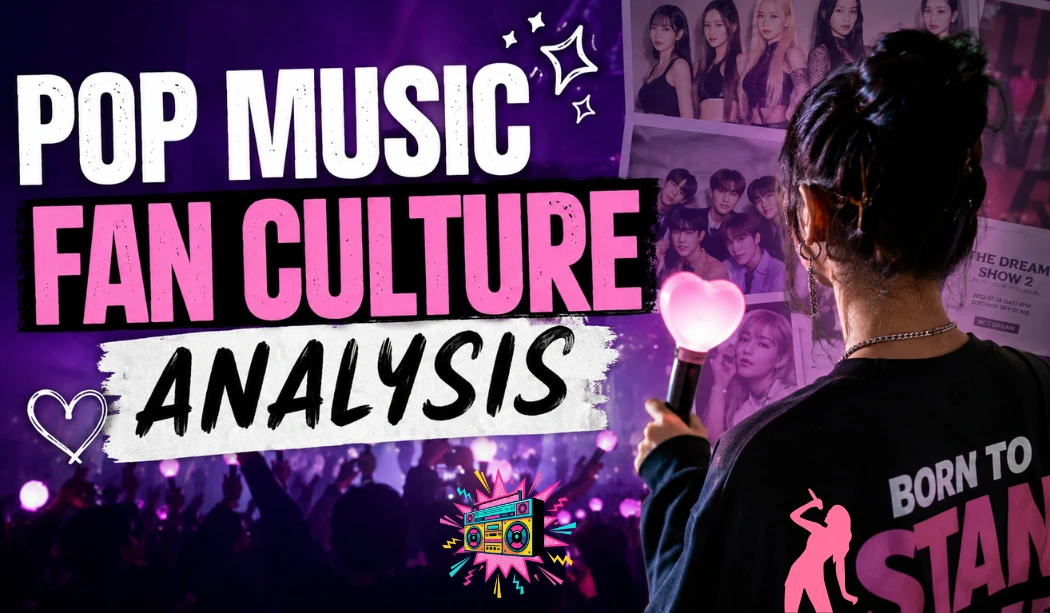
It is much more than the sounds we hear. It's an element that connects millions to one another. In the present, a love for a singer does not mean just buying their albums. It's about being part of an international family. If we take a closer look at the music community, we can see that there is a major shift in the ways individuals share their enthusiasm for music. This comprehensive Pop Music Fan Culture Analysis analyzes the way that regular people who listen to music turn into dedicated superfans. It examines how the digital age shapes modern music families.
Why Do We Love Superfans? A Deep Pop Music Fan Culture Analysis
For a deeper understanding of music in the present, it is essential to take a look at the audience. They are the pulse of music. They are not content to listen to music on radio. They form massive online bands and purchase special merchandise and even travel to other countries to experience a night of live entertainment.
Modern Pop Music Fan Culture Analysis can show us that these fan clubs have immense influence. They are able to turn an undiscovered musician into a worldwide star within a short time. They also can shield their idols from damaging information. They create a safe environment for young people to discover the real person they are.
What Are the Biggest Pop Music Fandoms Today?
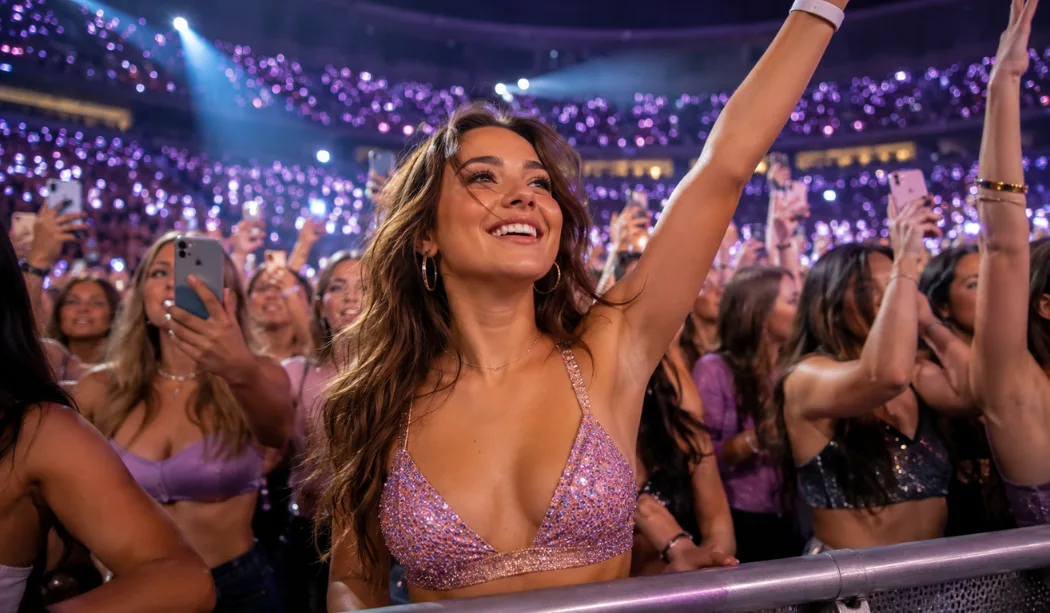
A few music bands have gotten to the point that they look like small nations. This isn't just for people who listen to music on a regular basis. They're organized groups that form an army.
1. The BTS ARMY
This is an enormous collection of people who are passionate about BTS. South Korean group BTS. They're known for their collaboration. They host charity events and ensure new songs beat records in the shortest time possible after their the release.
2. The Swifties
They are loyal fans of Taylor Swift. They're famous for figuring out the mysteries in the music videos of her. They have bought multiple copies of her albums, and transform the stadium into a sea of bracelets for friendship.
3. The BeyHive
Beyonce's loyal group of fans is known for their intense devotion. They are devoted to her work and defend her brand with ferocity on all platforms online.
Read also: Impact of Streaming on Pop Music: Industry Deep Dive
The Hidden Science: Psychology Behind Fan Culture
What is it that makes people feel so much about someone who they had never seen in person? The answer lies deep inside our brains. There's an intriguing psychological basis for the fandom culture that can explain this deep relationship. Humans have a fundamental need to join a social group. If you are a part of the fandom you gain a large number of followers with the identical item. It's a quick way to feel accepted and seen.
"A fandom is not just about the celebrity. It is a mirror for the fan's own identity and a hunger for human connection." -- Dr. Sarah Jenkins, Cultural Psychologist
Another important piece of this puzzle is the concept of the parasocial connection. This type of relationship is one-sided that makes a person feel like an artist is their greatest person partner. Since music is so intimate it makes listeners believe that the performer knows their personal secrets.
The Digital Shift: Impact of Social Media on Pop Music Fan Culture
The advent of the internet has revolutionized how people experience music. A few years ago it was necessary to wait in a magazine for a photograph of your favourite musician. You can now see the food they had for breakfast right on the phone screen.
The effect of social media in pop music culture is staggering. Applications like TikTok, X, and Instagram serve as virtual conference halls. One viral clip can propel a song up to the top on the charts. They allow users to develop their own work and share jokes and speak directly with stars. The constant communication brings the thrill going throughout the day.
Why Do Fans Defend Their Favorite Artists Online?
If you make a negative comment about a famous pop artist online and their fans respond immediately. Yet, what is the reason why fans are so quick to support their idols?
It's simple: If someone is attacking the musician, the person who is defending them gets the feeling that they are targeted as well. Since their identities are so tightly tied to music, safeguarding the artist is like being the family members of the artist.
Fans create a powerful "us versus them" mindset. A close knit group can help cooperate in streaming music or voting for prizes, however it could also result in fierce online battles among different groups of fans.
Changing Times: Streaming Era Fandom vs Pre-Streaming Fandom
The way we consume music is transforming the character of communities that are music-related. The stark contrast between fans of the streaming era vs the pre-streaming music fandom is a testament to how far the music industry has changed.
- The Good Old Days: Fans saved cash to purchase physical cassette tapes or CDs. They would sit for long periods at the radio in order to create a track. Fan clubs were governed by written letters that were sent by postal mail.
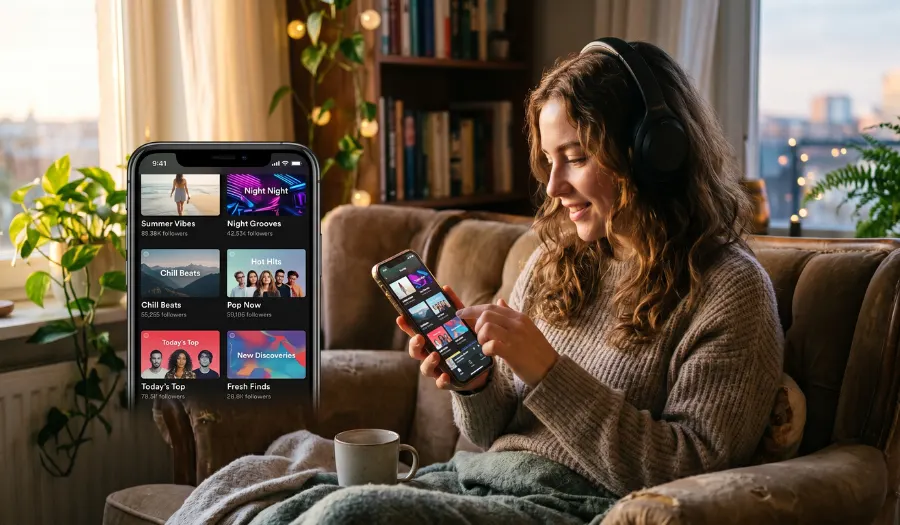
- A New Way to Access Music Modern Way: Songs can be downloaded instantly from apps such as Spotify as well as Apple Music. The music can be streamed many times daily to propel it higher on the charts. Fan clubs on the internet connect fans around the world in less than one second.
The instant accessibility makes today's communities faster, more expansive and louder than previously.
Generational Battle: Gen Z Pop Fans vs Millennial Pop Fans
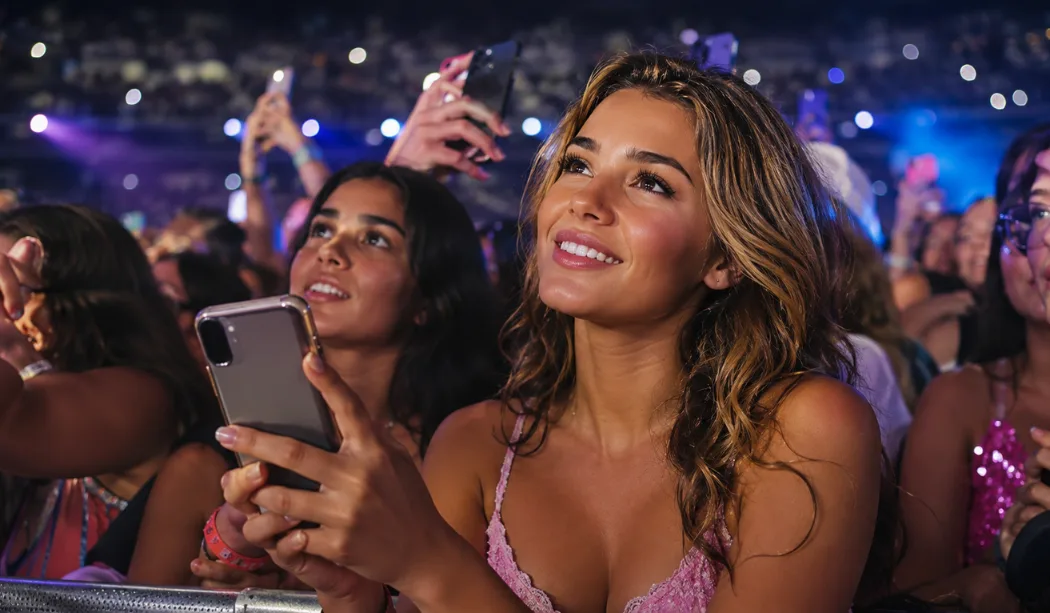
The different age groups display their passion for music in unique methods. The conflict of Gen Z pop fans and the millennial pop fan illustrates a change in the way people consume music.
| Feature | Millennial Pop Fans | Gen Z Pop Fans |
|---|---|---|
| Main Platforms | Facebook, Tumblr, Forums | TikTok, X, Discord |
| Content Style | Long blog posts, lyric analysis | Short videos, memes, edits |
| Focus Area | Concepts of albums and nostalgic | Trends in high-speed and streaming |
The millennial generation is often focused on the deep albums and lasting loyalty. Gen Z fans thrive on speedy internet developments, contemporary fashion, and active digital campaigns.
Battle of the Beats: Pop Music Fans vs Rock Music Fans
The music styles of the past often influence how people behave who are listening to these styles. The comparison of people who listen to pop music versus the rock fans shows different values in the culture.
The majority of rock fans place large importance on live music along with rough energy, as well as music's history. They typically prefer physical records as well as smaller, more sweaty performance venues.
People who love pop music however like shiny production qualities and dance choreography that is synchronized and the digital charts' success. Pop culture is constantly evolving but music culture tends to focus in on the old-fashioned traditions.
Global Pop Music Communities and Their Huge Industry Power
It is no longer restricted by borders between countries. Huge Global Pop Music Communities are a way to connect people across the globe from Tokyo across Texas. The love for music that is borderless has transformed the music industry.
The importance of fan clubs in the pop industry choices is greater than ever before. Record companies now look at the fan pages of fans to decide what songs should become the next top-rated radio song. Fan pages function as free marketing teams that translate lyrics, and generating hype around the world.
The worldwide effect of pop music fans culture signifies that the stars are no longer dependent on traditional media like TV or radio in order to be famous no longer. Fans now hold the keys to success.
Read also: Who Was the King of Pop Music: Michael Jackson Explained
What Lies Ahead? Fan Culture Trends in Modern Pop Music
Technology is constantly evolving and music groups are exploring innovative ways to grow. Present fashions in fan-culture trends within the world of pop indicate a shift towards virtual realities.
Stars are already appearing to perform virtual concert performances in video games. Artificial intelligence and virtual avatars let fans interact with musical environments in new ways. The impact of the celebrity cultural influence on fans of pop music are set to continue changing in the near future as the distinction between actual world and virtual life becomes less distinct. Fans are now fully interconnected digital realms.
Frequently Asked Questions
What is a pop music fan culture analysis essay?
This is a brief article that examines how fans of music conduct themselves, their use of social media and their impact on the business of music globally.
How does social media affect pop music fandoms?
Social media lets fans communicate instantly and share their fan artwork as well as organize mass vote or streaming events in order to assist their favourite artists get the best awards.
Are you a healthy superfan?
Yes! It can be a great means to meet new people to express their creativity and reduce tension. The problem only arises when it gets into the way of everyday obligations.
Last Thoughts of an industry professional
Pop music isn't anymore just about the singer who is singing on stage. It's all made up of the millions that sing to the audience. Fans are powerful groups that influence our world and drive business decisions and form lasting friendships. When you next find a topic that is trending about the latest pop sensation, keep in mind that you're witnessing the most powerful aspect of human culture at work.